Sports
Formula One: The Electric Era Arrives
As the paddock prepares for its hybrid-electric transition, engineers say the 2026 regulations will rewrite racing.
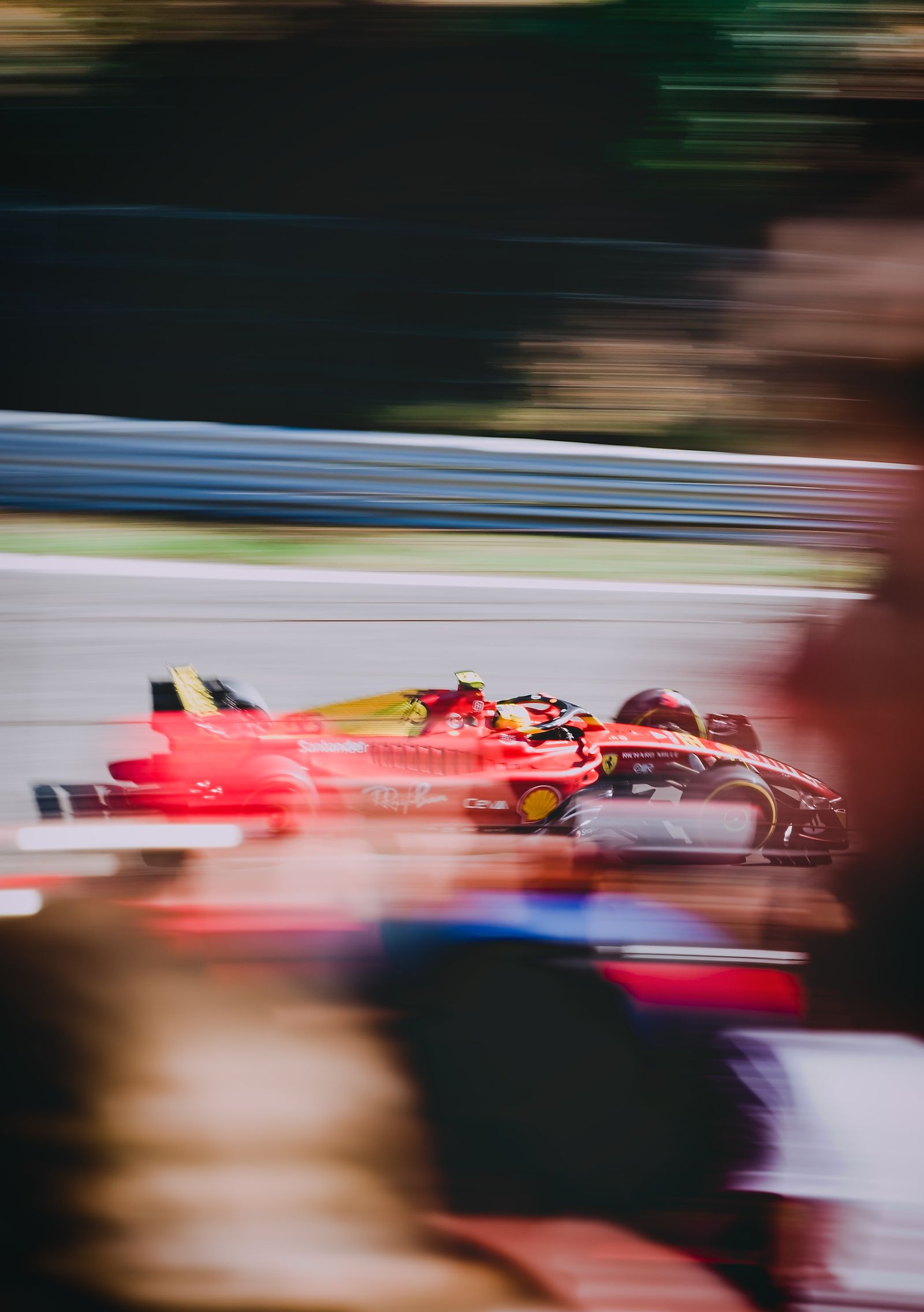
Listen to a grand prix in 2026 and the first thing you notice is what’s missing. The new power units split their output evenly between combustion and electricity, and the loudest sound in the pit lane is increasingly the whine of the MGU-K harvesting a corner’s energy.
The regulation reset — new chassis, active aerodynamics, sustainable fuels, and a near-doubling of electrical power — is the most ambitious in the sport’s history. Six power-unit manufacturers have signed on, including two newcomers drawn precisely by the electric emphasis.
The engineering gamble
Drivers will manage energy deployment lap by lap, with overtaking aids tied to battery state rather than rear wings. Early simulator data suggests closer racing but a steeper learning curve. “It rewards the thinking driver,” one technical director said. “The fastest car may be the one driven smartest, not just hardest.”
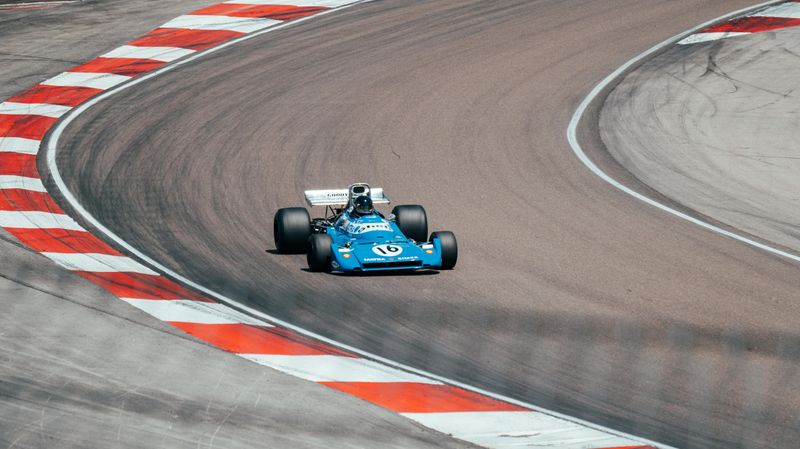
“The fastest car may be the one driven smartest, not just hardest.”
What fans will feel
Cars will be shorter, lighter and nimbler — built for street circuits and closer fights. Sustainable fuel keeps a combustion heartbeat purists can hear, while the electric surge delivers the shove. Preseason testing opens in January; the paddock, for once, agrees on the stakes.
- Power: near-even split between sustainable-fuel combustion and electric drive.
- Cars: shorter, lighter chassis with active aerodynamics.
- Stakes: six manufacturers, two newcomers, one giant reset.
Revolutions in this sport usually arrive disguised as rulebooks. Read this one carefully — it hums.
Filed under: Sports · Engineering

Ren covers motorsport, AI and Japan’s tech industry.
Related Stories


Never miss a developing story.
The morning edition, in your inbox before sunrise.