
Technology
The Ethics of Artificial Intelligence: Who Controls the Machines?
As AI systems grow more powerful, policymakers and ethicists are racing to define boundaries for responsibility and control.
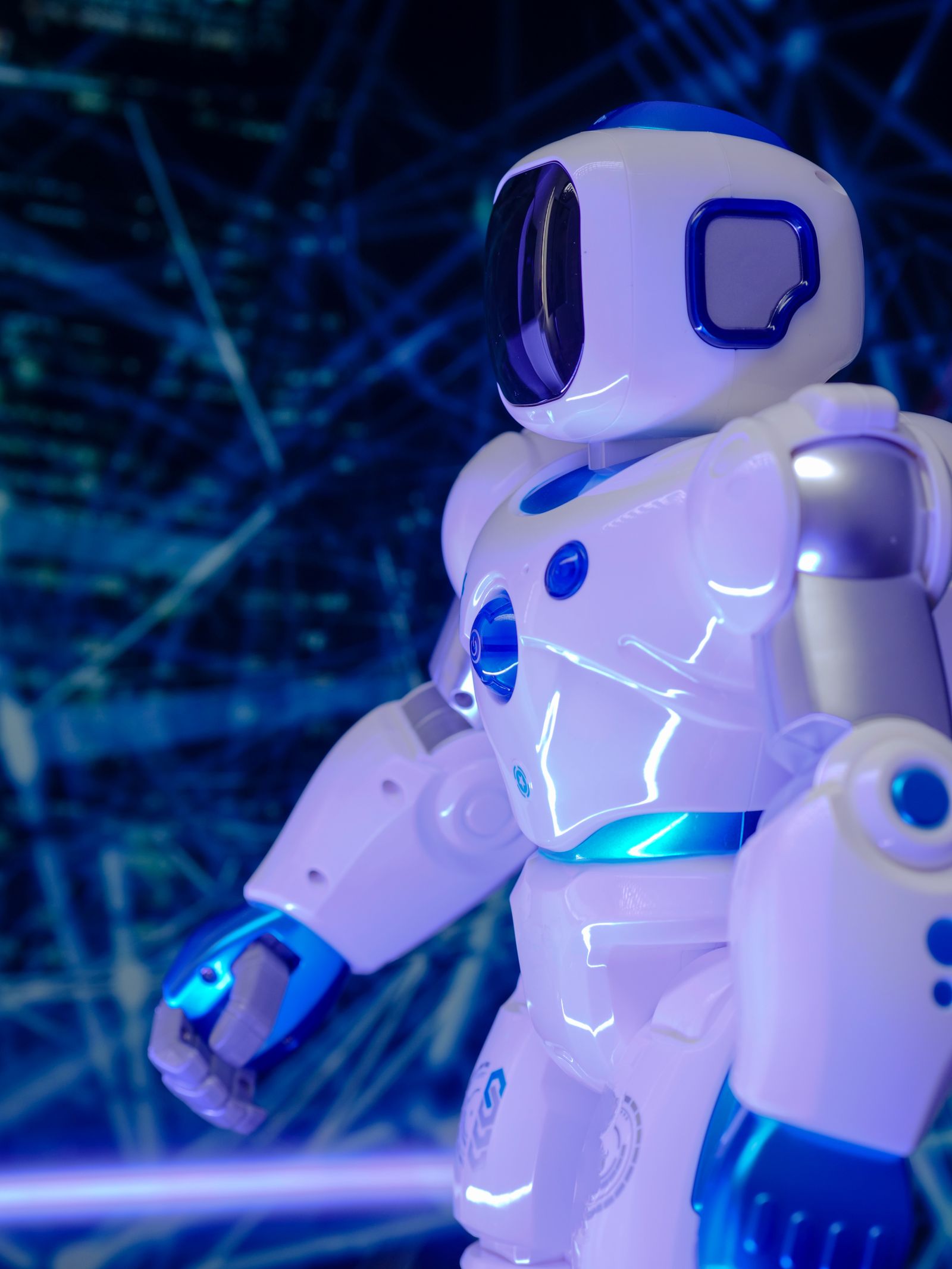
The hiring model rejected her application in forty milliseconds. No interview, no explanation — just a form letter. When auditors later pried the system open, they found it had learned to penalize résumé gaps: the very months she had spent caring for a newborn.
Cases like hers now fill the dockets of three continents. As AI moves from recommending films to deciding loans, sentences and diagnoses, a blunt question follows it everywhere: when a machine decides, who answers for the decision?
Three answers, none complete
Regulators have converged on three broad approaches. The first demands transparency — the right to an explanation. The second demands testing — audits before deployment in high-stakes roles. The third assigns liability up the chain, to the deployer who profits from the system.
“Each is necessary and none is sufficient,” said Dr. Ingrid Halvorsen, who advises two governments on AI policy. “An explanation you can’t act on is theatre. An audit of last year’s model is archaeology. We need all three, continuously.”
“An explanation you can’t act on is theatre. An audit of last year’s model is archaeology.”
The labs push back — gently
Leading labs argue that heavy rules will freeze progress while open models proliferate regardless. Their preferred bargain: shared safety benchmarks, incident reporting modeled on aviation, and liability that follows control — whoever can actually steer the system owns its failures.
- Transparency: a right to explanation for high-stakes automated decisions.
- Testing: independent audits before deployment in hiring, lending, medicine.
- Liability: responsibility follows whoever can actually steer the system.
The rejected applicant, meanwhile, found work the old-fashioned way — a neighbor’s introduction. The model has since been retrained. Whether it has been reformed is, for now, a matter of faith.
Filed under: Technology · AI

Marco writes about global markets and financial technology.
Related Stories
Never miss a developing story.
The morning edition, in your inbox before sunrise.