Technology
Battery Breakthrough Promises Week-Long Power for Smartphones
A new solid-state battery developed in Japan could revolutionize consumer electronics with ultra-long endurance and fast charging.
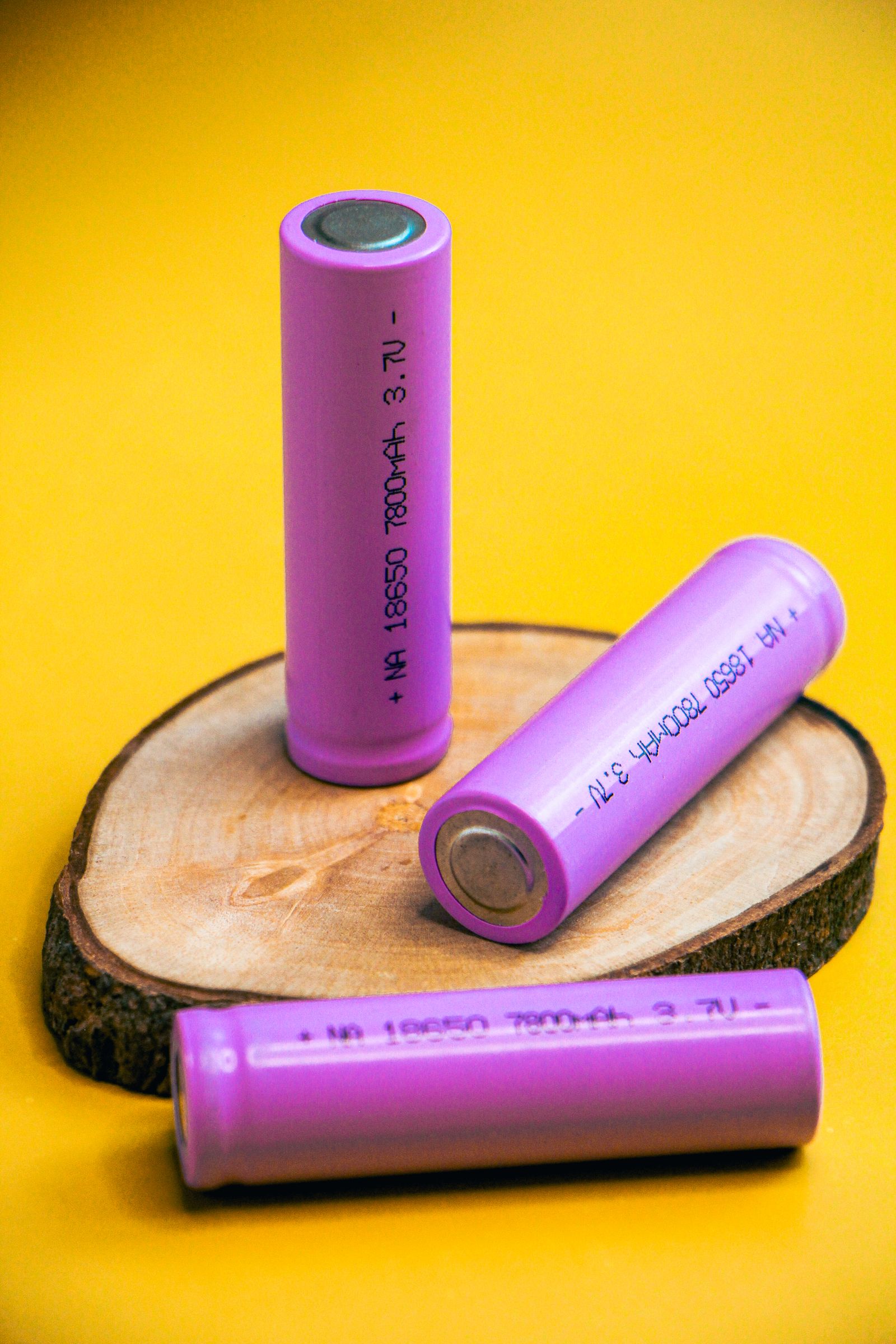
The nightly ritual — cables by the bed, percentages watched like stock prices — may finally be ending. In a quiet laboratory outside Osaka, engineers have demonstrated a solid-state cell that holds five times the energy of today’s phone batteries and recharges in under ten minutes.
The peer-reviewed results, published this week, show the cells surviving more than a thousand charge cycles with minimal degradation. Two major manufacturers have already licensed the design, with pilot production lines scheduled for next spring.
Why solid-state changes everything
Conventional lithium-ion cells use flammable liquid electrolytes — the reason phones swell, degrade and, very rarely, ignite. Solid-state designs replace the liquid with a ceramic layer, packing far more energy into the same space while running dramatically cooler.
“This is the first result that survives contact with manufacturing reality,” said Dr. Lena Vogt, a materials scientist not involved in the work. “The chemistry is excellent, but the real breakthrough is that it can be built on existing factory lines.”
“The chemistry is excellent, but the real breakthrough is that it can be built on existing factory lines.”
Beyond the phone
The implications stretch past handsets: week-long laptops, drones that fly for hours, and grid storage cheap enough to bank a neighborhood’s sunshine. Carmakers, watching closely, expect the same chemistry to halve electric-vehicle charging times within three years.
- Capacity: five times today’s cells; a phone charge lasting a full week.
- Speed: full recharge in under ten minutes with minimal heat.
- Timeline: pilot production next spring; first devices within two years.
For now, the lab’s demo phone sits on a bench, unplugged since Monday, still at sixty percent. The engineers check it the way you’d check a sleeping animal — quietly, so as not to jinx it.
Filed under: Technology · Computing

Elena is senior correspondent for global affairs and diplomacy.
Never miss a developing story.
The morning edition, in your inbox before sunrise.