
Business
Oil Prices Ease as OPEC Signals Stable Output for Next Year
Oil markets faced a mild downturn after OPEC announced plans to maintain production levels through next year.
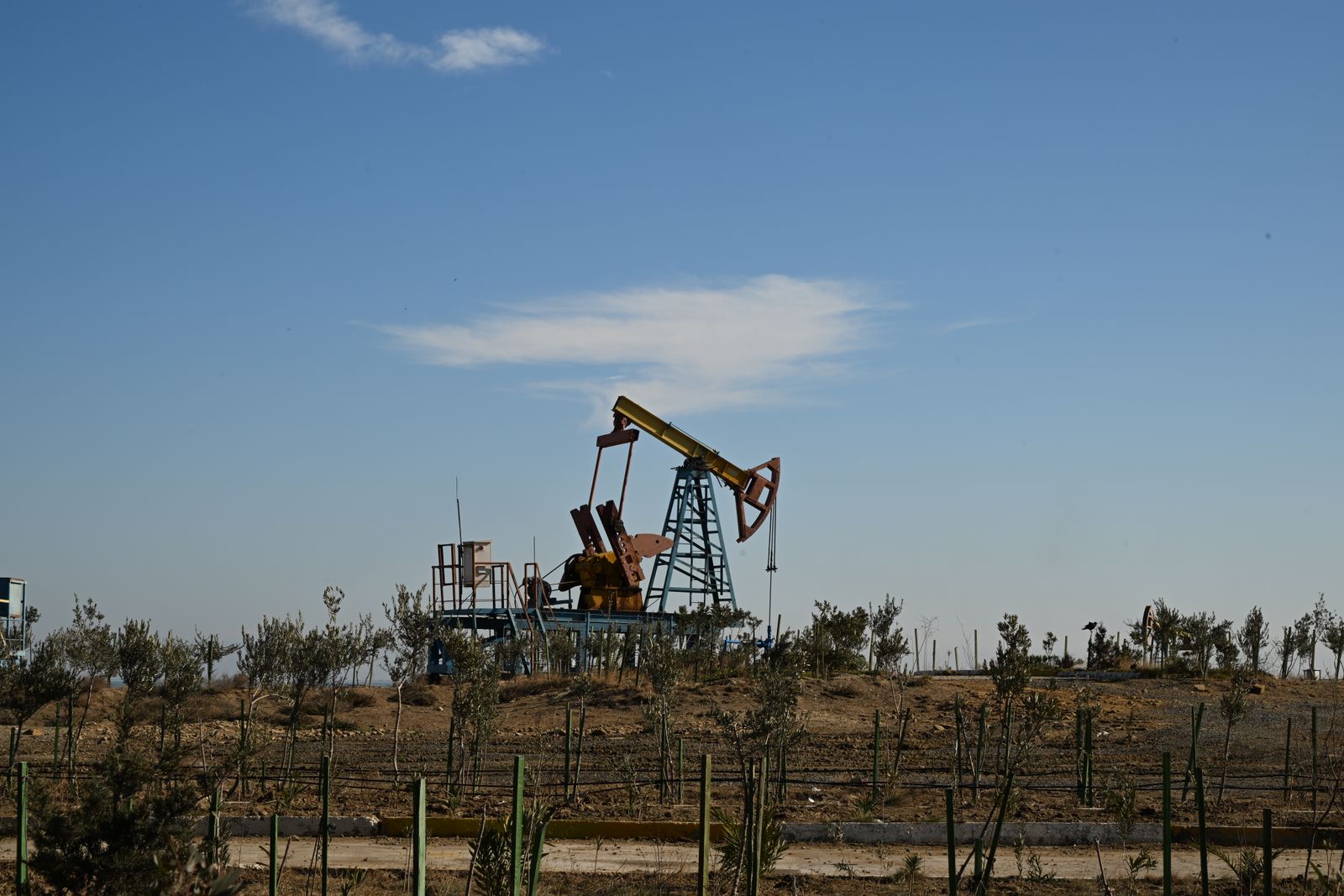
The communiqué was nine paragraphs long and moved billions. By holding production steady through next year, the cartel chose predictability over price — and markets, after an initial wobble, decided they could live with it.
Benchmark crude slipped about three percent on the announcement before steadying, as traders weighed ample inventories against a demand outlook clouded by slower manufacturing in two major economies.
Winners at the pump
For consumers, the decision is quietly good news: forecasters now expect fuel prices to hold near current levels into the driving season. For producers of costlier shale and deepwater barrels, it is a signal to hedge, cut costs, and wait.
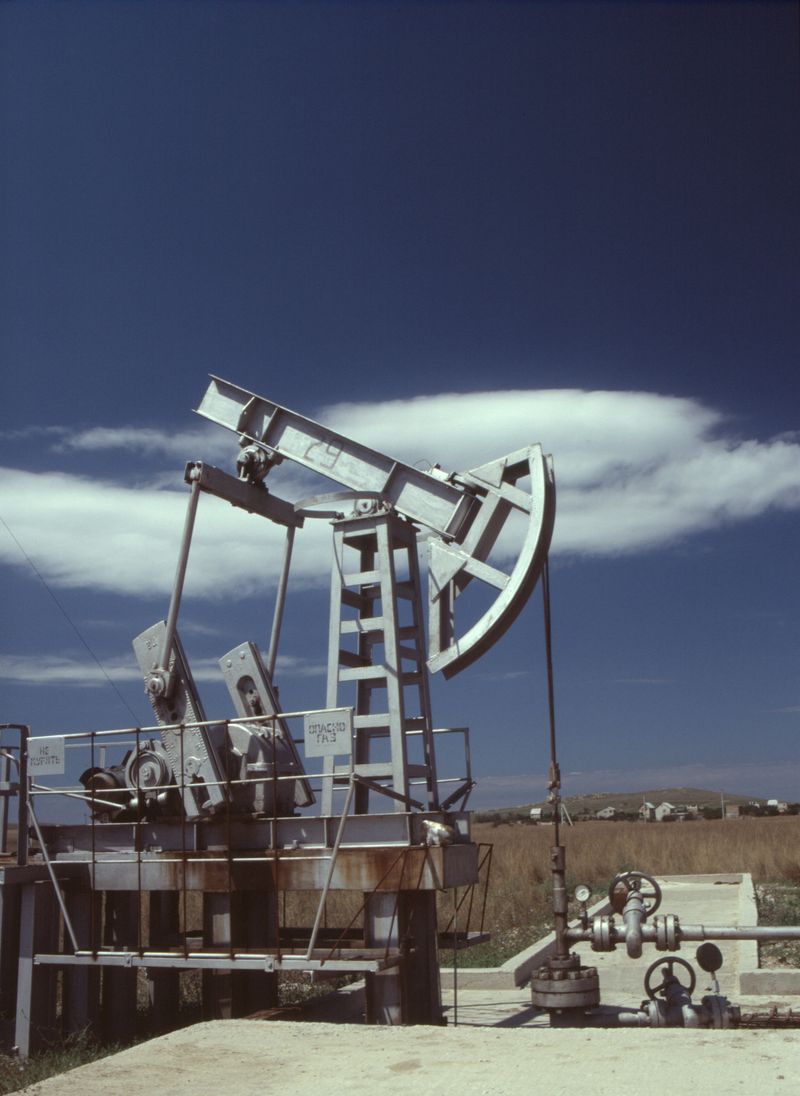
The cartel chose predictability over price — and markets decided they could live with it.
What could break the calm
Analysts list three risks: a supply disruption in any of four fragile transit corridors, a sharper-than-expected demand rebound, or cheating — the perennial gap between quotas announced and barrels actually pumped. Satellite tracking suggests compliance is currently running above ninety percent, unusually disciplined by historical standards.
- Decision: production held steady through next year.
- Market reaction: crude down ~3%, then steady; fuel prices expected flat.
- Risks: transit disruptions, demand rebound, quota cheating.
The ministers meet again in four months. Until then, the pumps keep their metronome pace — and drivers keep a little more in their pockets.

Elena is senior correspondent for global affairs and diplomacy.
Related Stories


Never miss a developing story.
The morning edition, in your inbox before sunrise.