
Technology
Satellite Internet Revolution: Low Orbit, Global Reach
New constellations of low-Earth orbit satellites are transforming global internet access, connecting even the most remote regions.
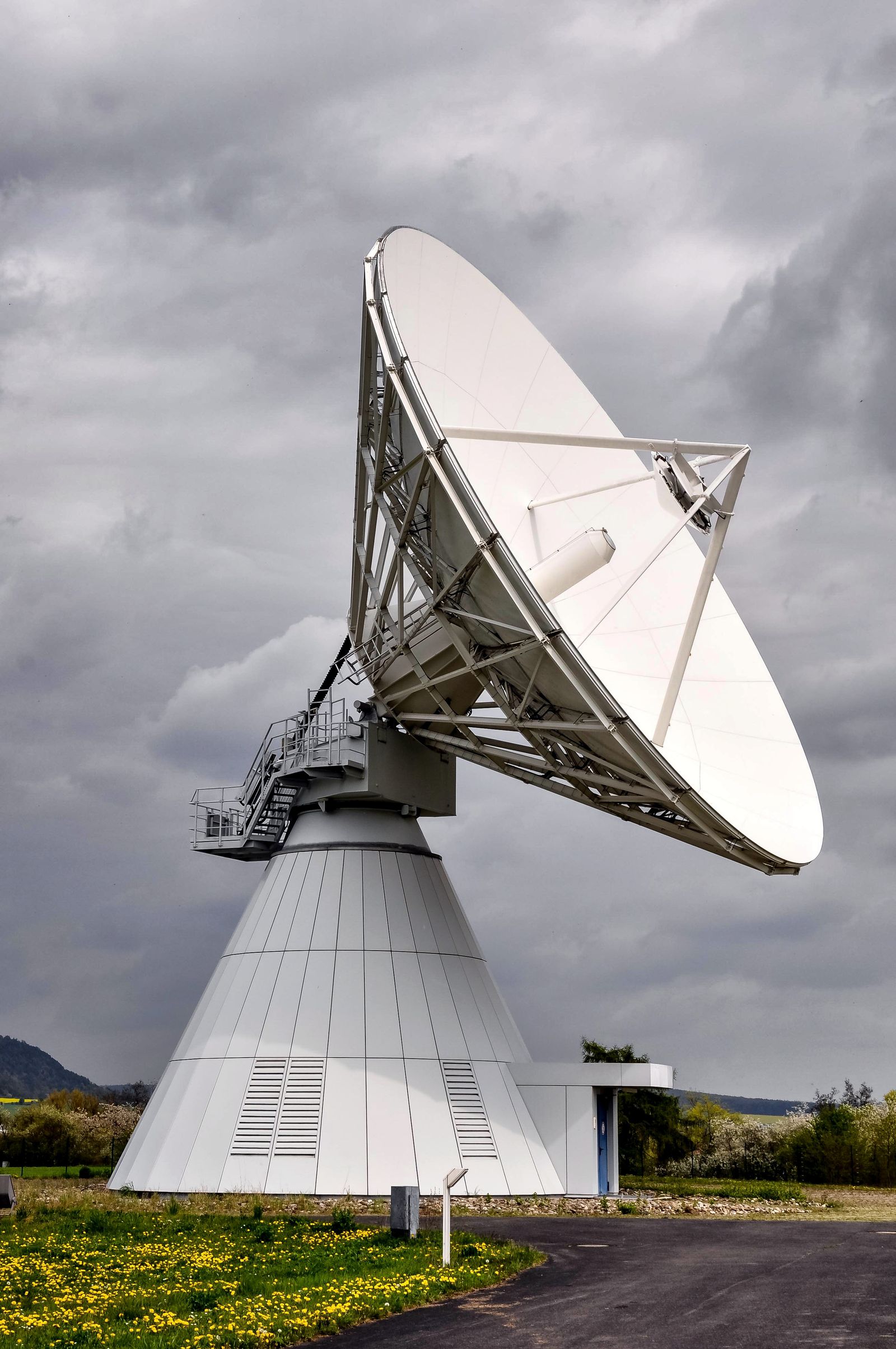
The dish on the clinic roof is the size of a pizza box, and it has changed everything. Consultations that once required a two-day journey now happen over video; test results arrive before the patient has finished tea. Six hundred kilometers overhead, a train of satellites did the carrying.
More than eight thousand low-orbit satellites now circle the planet, and launches add hundreds each month. Bandwidth that cost dollars per megabyte from old geostationary giants now costs fractions of a cent — and latency has fallen from half a second to a blink.
The last unconnected third
Some 2.6 billion people remain offline, most in places where fiber will never pay for itself: archipelagos, highlands, deserts. For them, the sky is suddenly the cheapest infrastructure ever built. Schools in the Andes stream lessons; fishing fleets file catch reports from mid-ocean; disaster teams restore coordination within hours of a quake.

For the unconnected third of humanity, the sky is suddenly the cheapest infrastructure ever built.
Crowded skies, hard questions
Astronomers warn of streaked observations and collision cascades; regulators on three continents are tightening debris rules; and several governments fret about depending on foreign constellations for critical connectivity. The industry’s answer — shared tracking data, deorbit pledges, sovereign backup capacity — is being tested in real time.
- Scale: 8,000+ satellites aloft, with hundreds more launching monthly.
- Impact: latency cut from ~600ms to under 50ms; costs down a hundredfold.
- Friction: debris risk, astronomy interference, sovereignty concerns.
On the clinic roof, none of that is the day’s concern. The dish hums, the screen flickers on, and a doctor six hundred kilometers away leans in. “Show me,” she says. And healing begins.
Filed under: Technology · Environment

Ren covers AI, robotics and Japan’s tech innovations.


Never miss a developing story.
The morning edition, in your inbox before sunrise.